Step outside in Dubai at three in the afternoon in July and you quickly learn which parts of a building are doing their job. The doors that stay cool to the touch, close smoothly and keep the dust out belong to a property that was built with the climate in mind. The ones that warp, rattle or leave a gap at the bottom tell a very different story. Over the years, the material you choose for your openings quietly decides how comfortable the space feels, how high your cooling bills run and how often you need to call someone to fix something.
This is why aluminium doors Dubai homeowners, developers and facility managers choose more often than timber or basic steel. Aluminium is light yet strong, it does not rust or swell in humid air, and it can be finished in almost any colour. When it is combined with quality glass and proper seals, aluminium windows and doors create a tight, durable envelope that suits villas, apartments, offices, shops and warehouses alike.
In this guide we explain the main types of aluminium doors Dubai buyers can choose, how matching windows complete the system, how glass and finishes affect performance, what drives the price and how to select a supplier you can trust. Whether you are renovating an older villa in Jumeirah or fitting out a new office in Business Bay, you will finish reading with a clear checklist for making a confident decision.
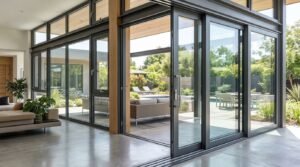
Aluminium doors Dubai villa sliding door installation
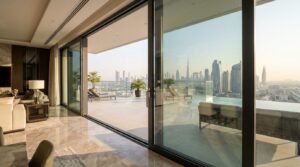
Why Aluminium Doors Dubai Properties Rely On the Material
Dubai is demanding on building materials. Intense sun, high humidity near the coast, fine desert dust and sudden temperature swings between air-conditioned interiors and hot exteriors all put stress on frames, hardware and seals. Aluminium handles these conditions better than most alternatives, which is why so many architects now specify aluminium doors Dubai developments can rely on for years.
Heat, Humidity and Dust Resistance
Aluminium does not absorb moisture, so it will not swell, crack or rot the way untreated wood can. A good powder-coated finish adds a protective layer against sun and salt-laden air, which matters in coastal areas such as Dubai Marina, Jumeirah and Al Mamzar. Quality frames also include a thermal break, an insulating strip that separates the inner and outer aluminium sections. This reduces heat transfer and helps keep interiors cooler, so your air conditioning does not have to work as hard.
Strength Without Weight
Aluminium has a high strength-to-weight ratio, which means slim frames can carry large panes of glass without bulky profiles. This is why modern aluminium doors Dubai villas use can have such slim frames and still hold floor-to-ceiling glass. The lighter weight also puts less strain on hinges and rollers, so doors glide smoothly and keep working properly for many years.
Low Maintenance and Long Life
Unlike timber, aluminium needs no repainting, sanding or sealing. Washing the frames with mild soap and water a few times a year is usually enough to keep them looking new. Well-made aluminium windows and doors routinely last twenty years or more, which makes the higher initial price easier to justify. Over a decade, the money saved on repairs and early replacement often outweighs the extra cost of better profiles and hardware.
Types of Aluminium Doors Dubai Property Owners Can Choose
The right door depends on how you use the space, how much opening you want and what style suits the building. Most suppliers of aluminium doors Dubai buyers contact offer several systems, and understanding the differences makes it much easier to brief a contractor and compare quotations fairly.
Sliding Doors
Sliding doors move along a track, so they need no swing space. This makes them ideal for balconies, terraces and living rooms that open to a garden. These aluminium glass doors let in plenty of daylight and views because modern systems use large panels with slim frames. Multi-track versions allow very wide openings by stacking panels behind each other, and lift-and-slide systems add smooth operation and strong sealing for heavy glass.
Folding and Bifold Doors
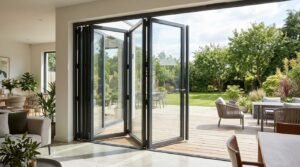
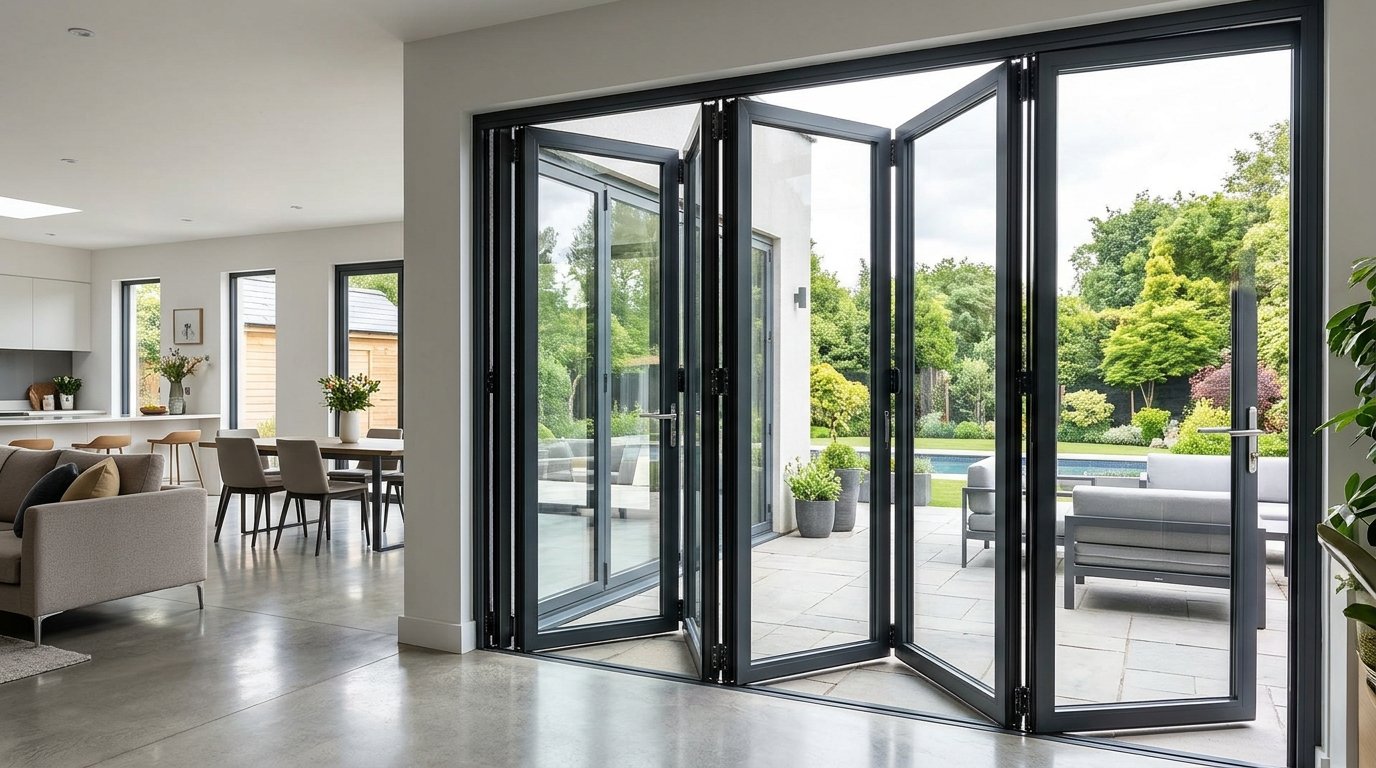
Folding doors concertina to one side and can open an entire wall. Among all the aluminium doors Dubai restaurants and homes choose, folding systems are the most dramatic, because they blend indoor and outdoor areas into one space. They do need careful hardware selection, because the hinges and rollers carry the weight of several panels at once, and cheap fittings tend to sag within a couple of years.
Swing and Entrance Doors
Swing doors remain the standard for main entrances, offices and utility rooms. Aluminium and glass entrance doors suit shops and commercial buildings, while solid insulated panels with decorative cladding work well for villa entrances where privacy and security are priorities. Pairing a strong frame with a multi-point lock gives excellent protection without making the door look heavy, and many owners match the entrance with balcony handrails in the same finish.
Kitchen and Bathroom Doors
Kitchens and bathrooms face steam, splashes and strong cleaning products, so moisture resistance is essential, and aluminium is a natural fit. Frosted or tinted glass provides privacy while still letting light through, and slim frames keep the look clean. Many villa owners now choose aluminium kitchen doors and bathroom doors because they stay neat for years without peeling, swelling or staining.
Aluminium Windows and Doors as a Matched System
One of the biggest advantages of choosing aluminium windows and doors from the same supplier is consistency. Matching profiles, colours and hardware give the building a unified look, and the supplier can design the seals and glazing to work together, which improves insulation and reduces air leakage. It also simplifies approvals, warranties and aftercare, because one company is responsible for the whole package.
Sliding Windows
Sliding windows are the most common choice in apartments and villas because they save space and are easy to operate. Most aluminium windows and doors packages include sliding units that use quality rollers and brush seals to block dust, and they can be fitted with fly screens for cooler evenings when you prefer fresh air to air conditioning.
Casement and Tilt-and-Turn Windows
Casement windows open outward on hinges and provide excellent ventilation and sealing when closed. Tilt-and-turn windows can tilt open at the top for safe ventilation or swing fully open for cleaning. Both types press their seals tightly against the frame, which helps with noise and dust control, two common concerns in busy parts of the city.
Fixed Windows and Curtain Walling
Fixed windows do not open but offer maximum light and the best thermal performance, since they have fewer moving parts. For offices and large villas, curtain walling creates continuous glass facades with a sleek appearance. Combining fixed panels with openable sections gives you daylight, ventilation and a clean, modern look in a single design.
Glass Options for Aluminium Windows and Doors
The glass often matters more than the frame for comfort and energy use, so it deserves real attention when you plan your project. Two identical frames can perform very differently depending on the glazing inside them.
Double Glazing and Low-E Glass
Double glazing traps a layer of air or gas between two panes, which slows heat transfer. Low-E glass has a thin coating that reflects infrared heat while still letting daylight through. Double glazing and low-E coatings are now standard on the best aluminium doors Dubai suppliers offer, and they can make rooms noticeably cooler, especially west-facing rooms that receive strong afternoon sun.
Tempered and Laminated Glass
Tempered glass is heat-treated for strength and breaks into small, blunt pieces instead of sharp shards. Laminated glass holds together when broken because of a plastic interlayer, which adds security and safety. Large doors and low-level windows should use one of these options, and many communities require them for safety reasons.
Acoustic Performance
Properties near busy roads such as Sheikh Zayed Road benefit from thicker or laminated glass and good seals, which can reduce traffic noise significantly. If quiet matters to you, ask the supplier for acoustic test data instead of relying on general claims.
Finishes, Colours and Design Styles
Aluminium doors Dubai buyers order can be finished to match almost any design direction, so the material rarely limits creativity.
Powder Coating
Powder coating is the most common finish. It is applied electrostatically and baked on, giving a durable surface in many colours including black, bronze, white, grey and realistic wood effects. Quality varies between coating suppliers, so ask which coating class is used and what warranty covers fading and peeling.
Anodised and Wood-Effect Finishes
Anodising creates a hard, natural metallic surface that resists scratches and keeps its appearance for years. Wood-effect finishes give a warm, traditional look without the maintenance of real timber, which is attractive for villas where owners want character without constant upkeep.
Slim Profiles and Modern Styles
Slim sightline systems with minimal frames suit contemporary villas and offices, while thicker traditional profiles with decorative grilles fit Arabic and Mediterranean architecture. Some owners extend the same finish to aluminium louvers on facades and balconies for a consistent look. A good supplier will show you sample corners and finishes before production, so you can judge them in real daylight.
What Affects the Price of Aluminium Doors Dubai
The cost of aluminium doors Dubai buyers pay depends on several factors that combine. The profile series is the starting point, since a basic series costs less than a thermally broken, heavy-duty one. Glass specification adds a lot, because double glazing, laminated glass and low-E coatings cost more than single clear glass. Size and complexity matter too, since large sliding doors and curtain walls need stronger profiles and heavier hardware.
Hardware brand, finish and installation difficulty complete the picture. Always request a written breakdown so you can compare quotations properly, and treat extremely low offers with caution, because they usually mean thin profiles, cheap hardware or missing items that appear later as extra charges.
How to Choose a Supplier for Aluminium Doors Dubai
Choosing the right company is as important as choosing the right product. When you compare suppliers of aluminium doors Dubai has available, look beyond the headline price and ask how the work will actually be done and supported.
Check Specifications and Brands
Ask for the profile series, wall thickness, glass type, hardware brand and finish class in writing. Two quotations that look identical can hide very different specifications. A trustworthy supplier is happy to explain these details and will not hurry you into a decision.
Review Completed Projects
Request photos and locations of finished aluminium doors Dubai projects, ideally in properties similar to yours. Projects that are a few years old are especially useful because they show how frames, seals and finishes have aged. If possible, speak to a previous customer. A company that cannot show previous work should not be trusted with a large investment.
Understand Warranty and Support
A written warranty covering both materials and installation shows confidence in the work. Find out what is covered, how long it lasts and what the supplier will do if a problem appears. Companies that provide maintenance support are valuable when a roller, lock or seal needs attention later.
Confirm Approvals and Standards
Some communities and buildings require approval for changes to facades, windows and doors. A knowledgeable supplier will tell you whether permission is needed and what drawings are required, and many will handle the paperwork for you. Settling this before you pay a deposit avoids delays and the risk of having to correct an unapproved installation.
Installation Process and Timeline
Professional installers of aluminium windows and doors follow a clear sequence. It begins with a site visit and accurate measurements, because even a few millimetres of error can cause gaps and poor sealing. After design approval, the frames are fabricated in the workshop, which usually takes one to three weeks depending on size and finish. Installation of aluminium doors Dubai villas need typically takes a few days, and larger commercial projects can take longer.
Payment is usually staged, with an advance at the start, a payment when materials are ready and a final payment after handover and inspection. Before the team leaves, check that doors and windows open, close and lock smoothly, that seals are continuous and that the glass and frames are clean and free of scratches.
Maintenance Tips for Long-Term Performance
Well-made aluminium windows and doors need very little care. Wash the frames and glass with clean water and mild soap a few times a year to remove dust and salt, and avoid abrasive cleaners that can damage the finish. Clean the tracks of sliding systems regularly so that grit does not wear the rollers, and apply a silicone-based lubricant to hinges and locks once or twice a year.
Inspect the seals and gaskets from time to time, and replace them if they become hard or cracked. This simple routine keeps the system quiet, smooth and well sealed, and it protects the warranty in many cases.
Common Mistakes to Avoid
The most frequent mistake with aluminium doors Dubai buyers make is choosing on price alone without checking what the quotation includes. Another is ignoring glass specification, which has a huge effect on heat and noise. Many buyers also forget to confirm approval requirements, or they accept vague measurements and later discover gaps. Finally, avoid mixing components from different sources without checking that they are compatible, since poorly matched hardware and profiles often cause leaks and early wear.
Conclusion
Whether you are comparing aluminium doors Dubai suppliers for a single villa or planning a full set of aluminium windows and doors for a commercial building, the same principles apply. Choose the right system for the space, specify quality glass and hardware, insist on clear written quotations and pick a supplier with proven experience and a real warranty. Aluminium rewards that care with decades of reliable service, lower maintenance and a cooler, quieter interior.
Take time to visit completed projects, ask detailed questions and compare at least three quotations with the same specification before choosing aluminium doors Dubai suppliers recommend. A well-chosen aluminium system will protect your property, improve comfort and add lasting value in the UAE climate. When you are ready, ask for a free quote and a site visit so that every measurement and detail is confirmed before work begins.
Frequently Asked Questions
1. How much do aluminium doors Dubai suppliers charge?
Prices depend on the profile series, glass type, size, hardware and finish, so there is no single figure. A basic single-glazed door costs much less than a large thermally broken sliding door with double glazing. Ask for a written breakdown from at least three suppliers and compare the same specification.
2. Are aluminium windows and doors better than uPVC or wood in Dubai?
For most UAE properties, yes. Aluminium resists heat, humidity and dust better than wood, and it supports slimmer frames and larger glass panels than uPVC. With a thermal break and quality glazing, aluminium windows and doors also perform well on insulation, and they need much less maintenance than timber.
3. How long do aluminium doors and windows last?
Quality aluminium doors Dubai buyers install commonly last twenty years or more with simple cleaning and occasional lubrication of hardware. The finish, glass and seals may need attention earlier, so a clear warranty and regular maintenance are important for long-term performance.
4. Do I need approval before changing doors and windows?
It depends on your building and community. Many managed communities and towers require approval for changes to the facade, colour or glazing. A reliable supplier will tell you whether permission is needed and often helps with the paperwork, so confirm this before paying a deposit.
5. What glass is best for aluminium windows and doors in Dubai?
Double glazing with a low-E coating is the usual recommendation because it reduces heat gain and noise. Laminated or tempered glass is recommended for large doors and low-level windows for safety. The best choice depends on the orientation of the room and your budget.